
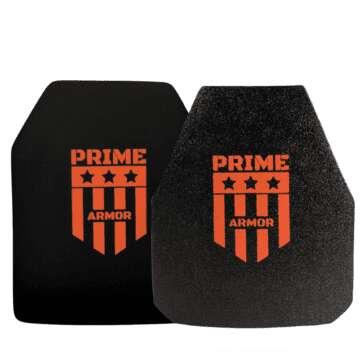
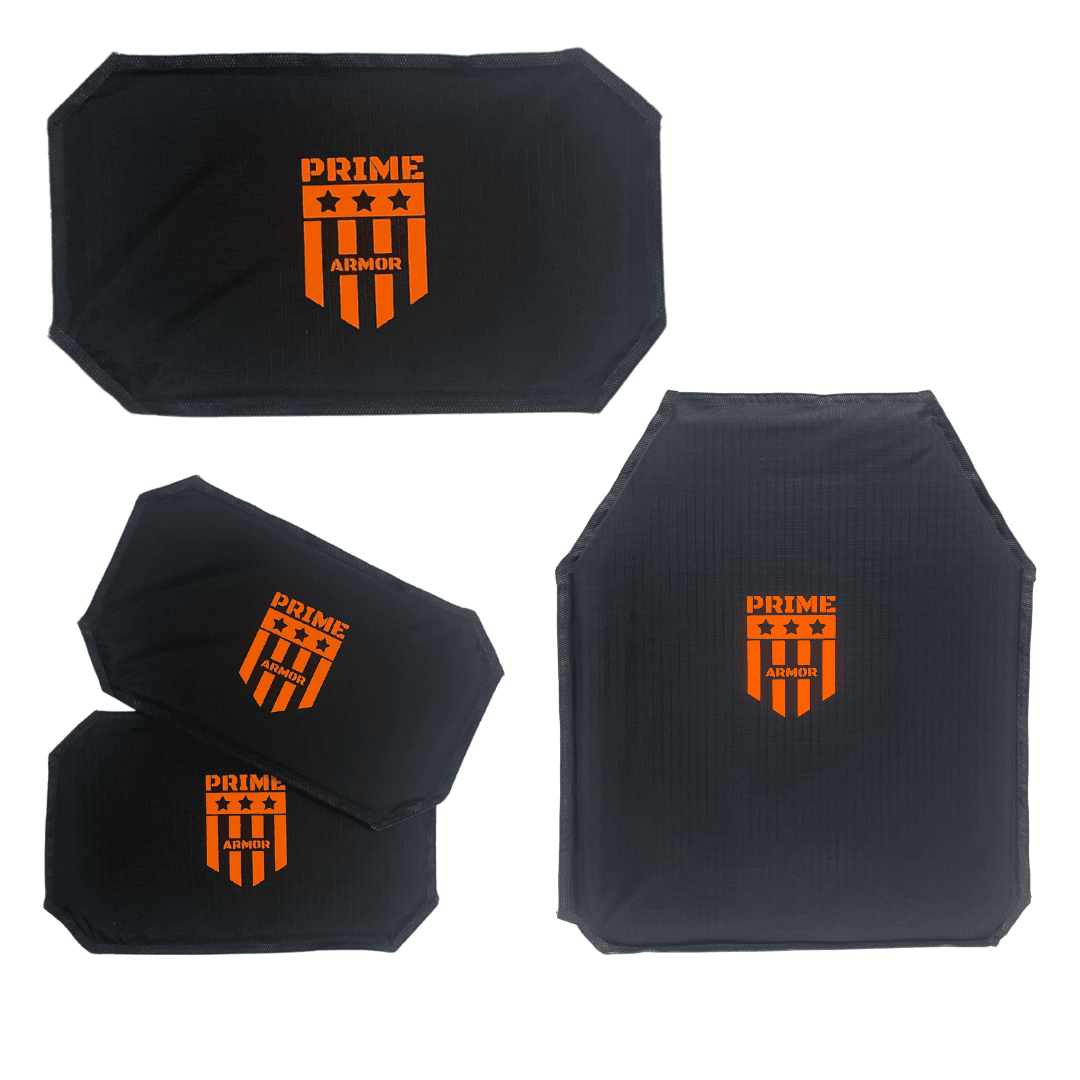
Rifle plates, soft armor, plate carriers and ready-made bundles from a Navy family-owned company in Tomball, Texas. Start with the threat level, then pick your size.
Two decisions come first: what you need to stop and how you will wear it. Protection is rated by the NIJ levels. Soft armor handles handgun threats; rifle threats need hard armor plates. Size, weight and the carrier follow from that choice.
| Level | Designed to stop | Usually worn as | Shop |
|---|---|---|---|
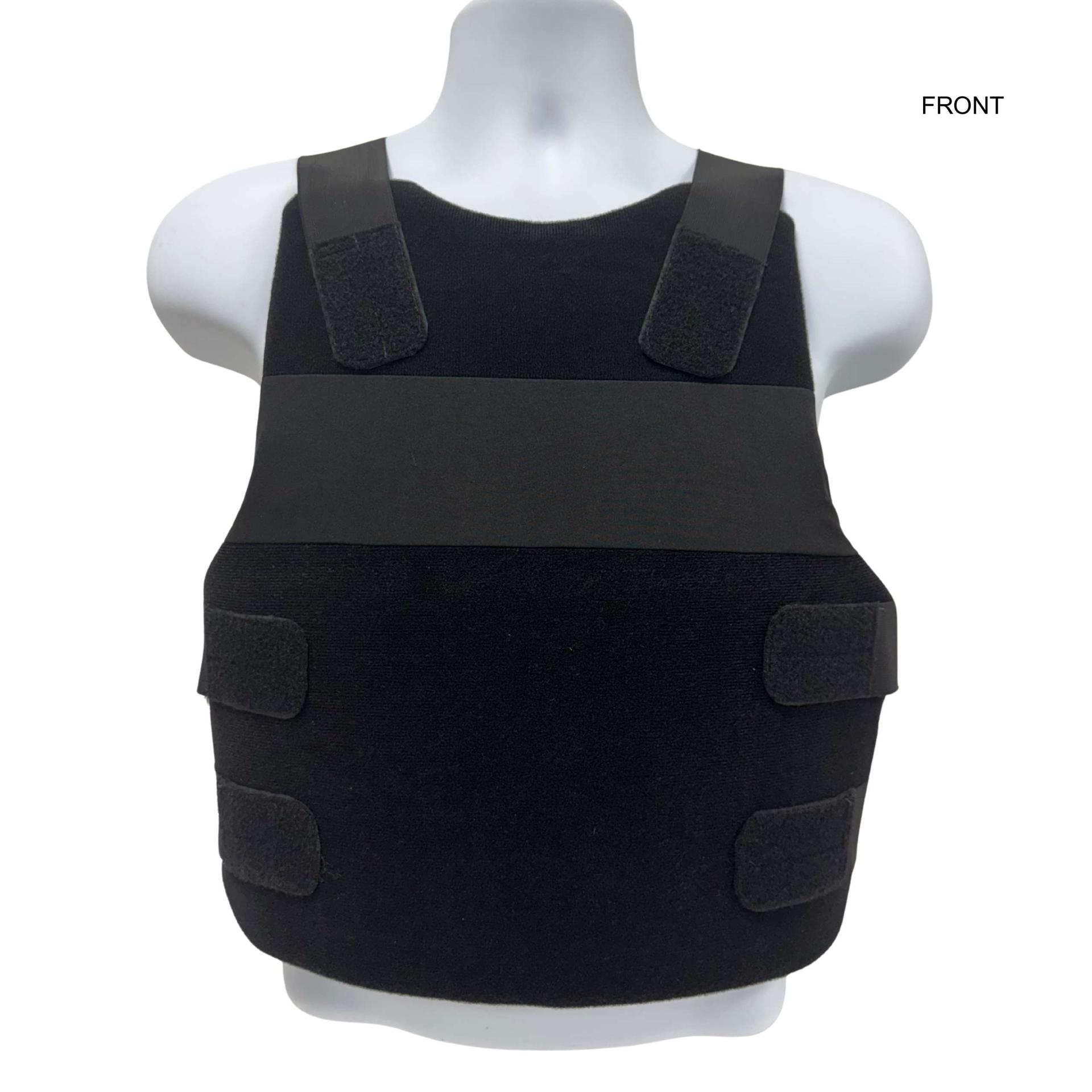
| IIIA (3A) | Handgun rounds up to .44 Magnum | Soft panels, concealable vests, backpack inserts | Level IIIA |
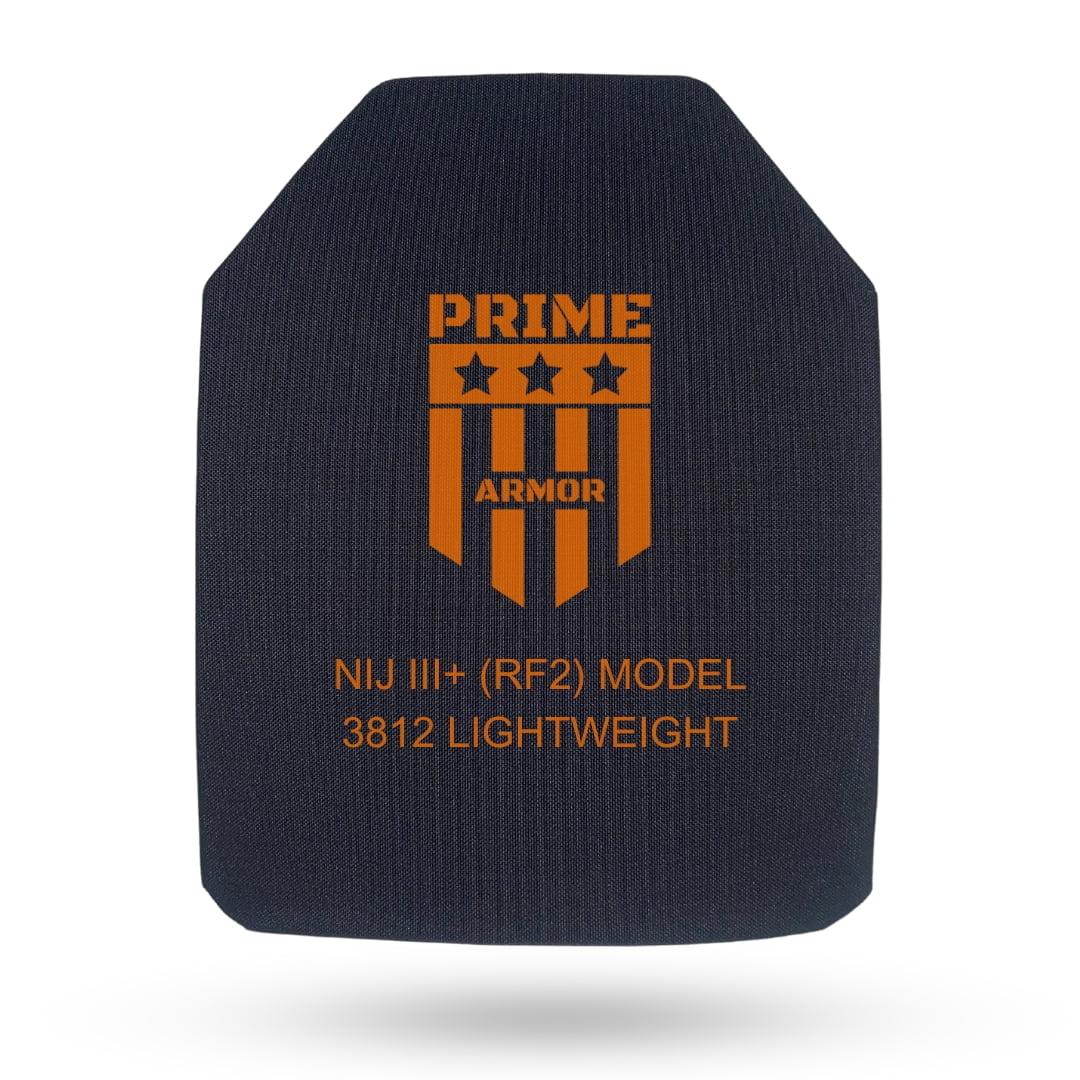
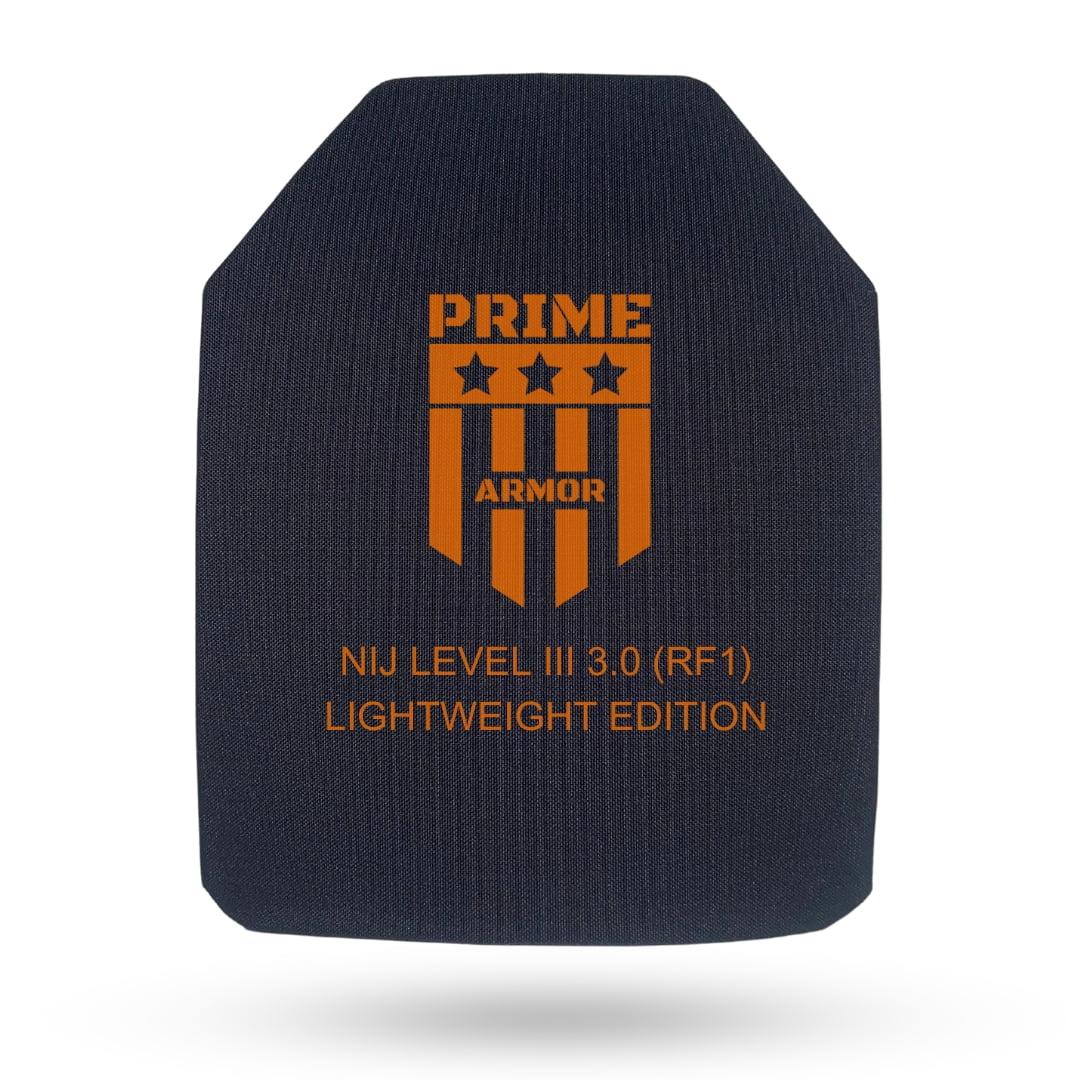
| III (3) | 7.62x51 M80 ball; RF1 models are also tested against 5.56 M193 and 7.62x39 MSC | Polyethylene plates in a plate carrier | Level III |
| III+ (RF2) | RF1 threats plus 5.56 M855 green tip | Multi-hit plates | Level III+ |
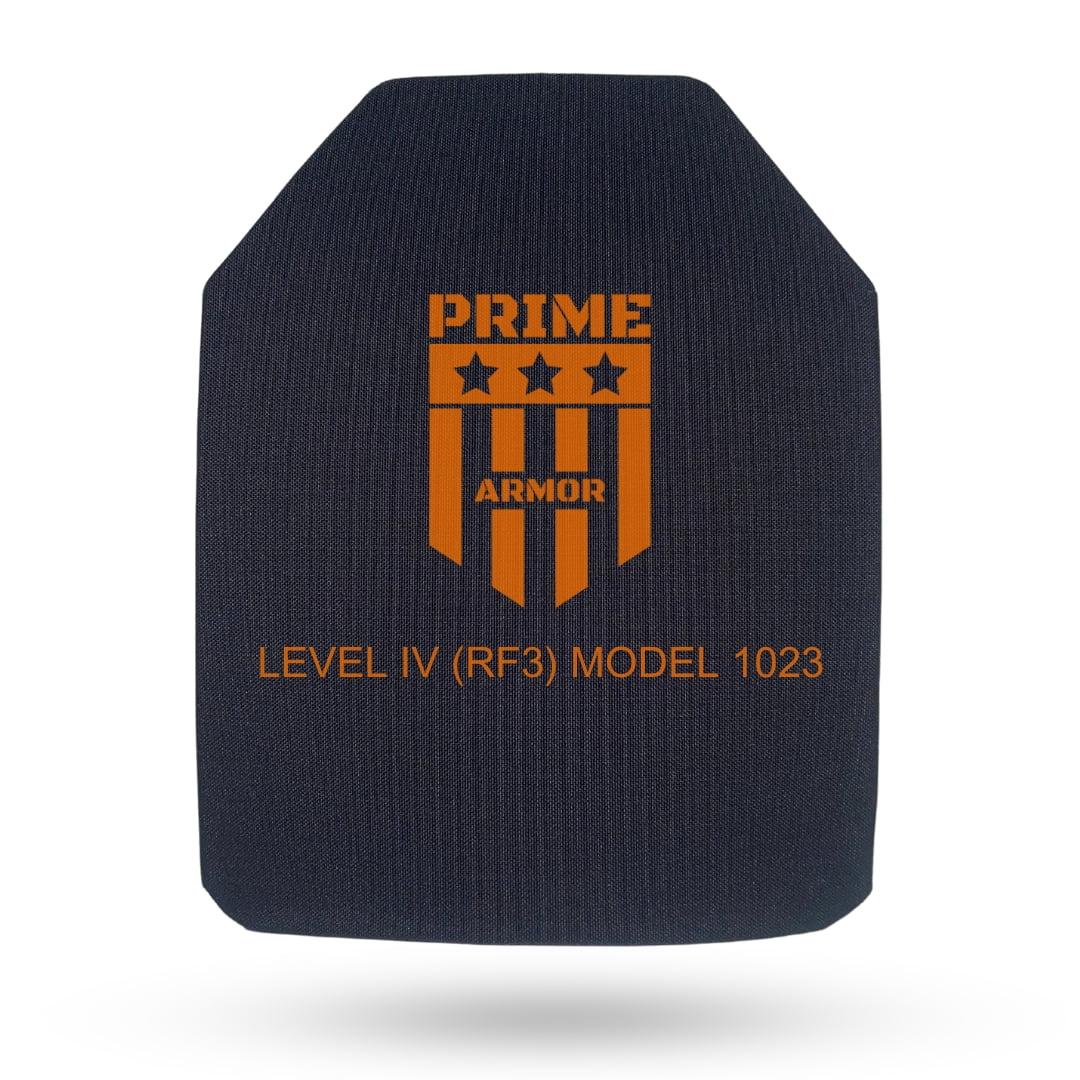
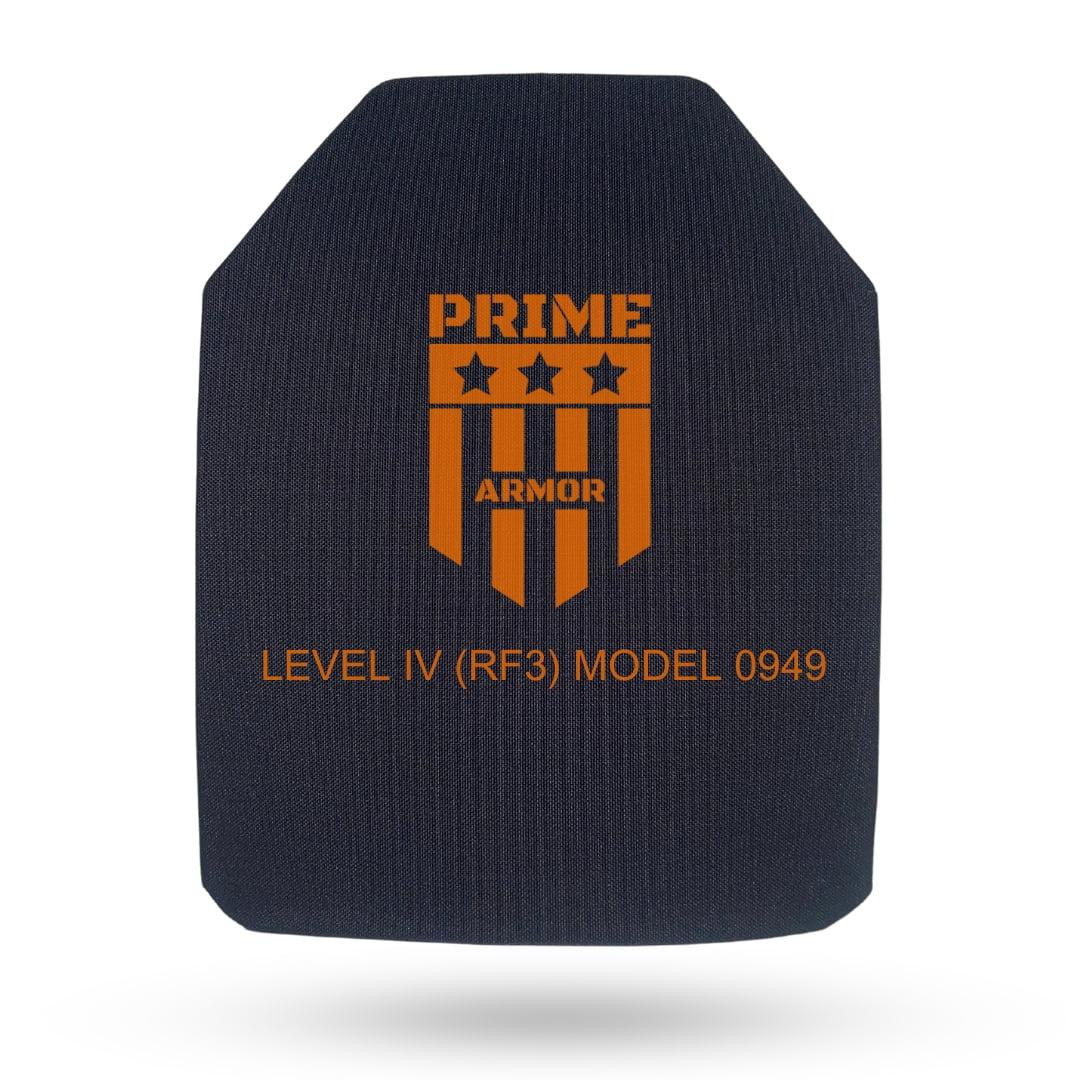
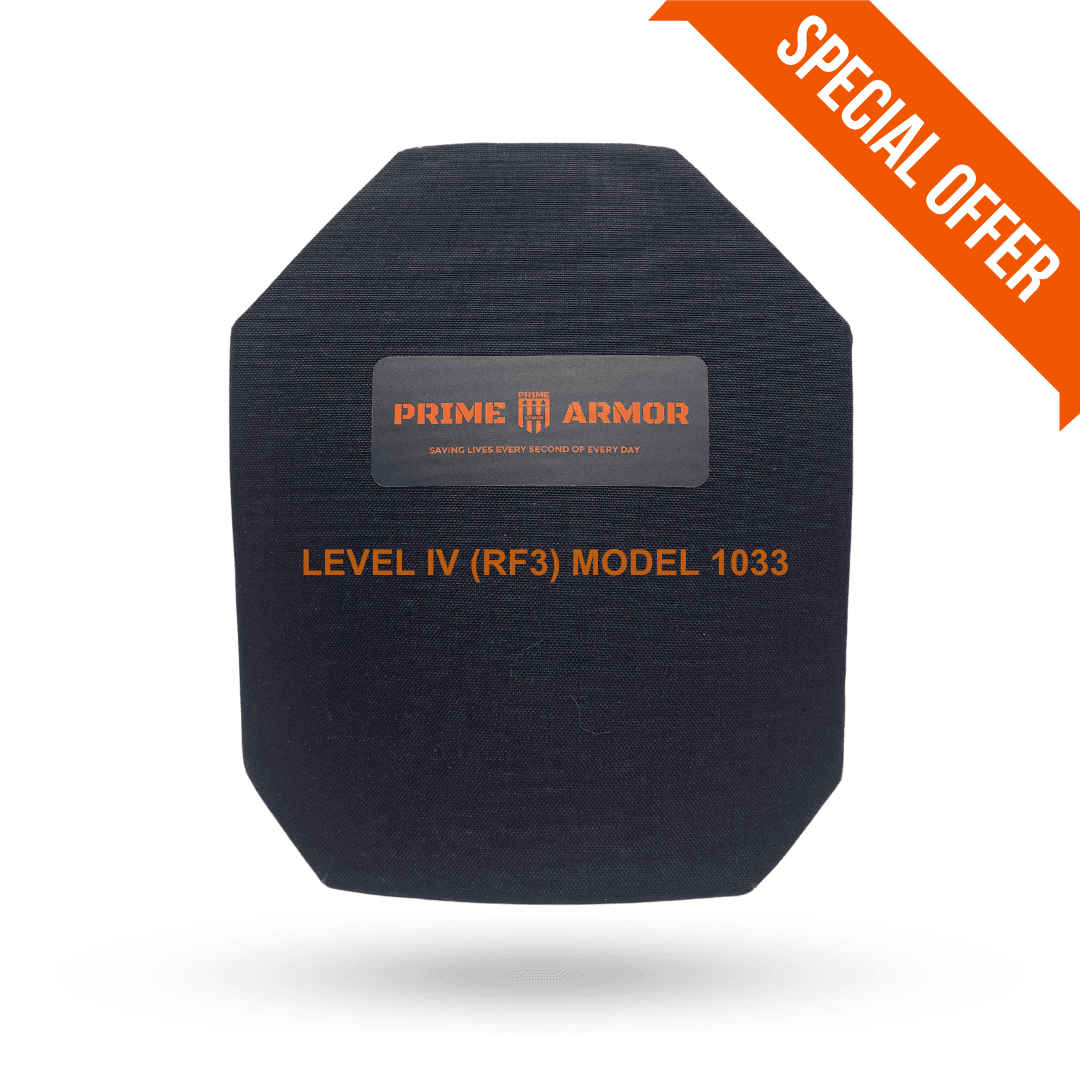
| IV (4) | .30-06 M2 armor piercing | Ceramic and polyethylene plates | Level IV |
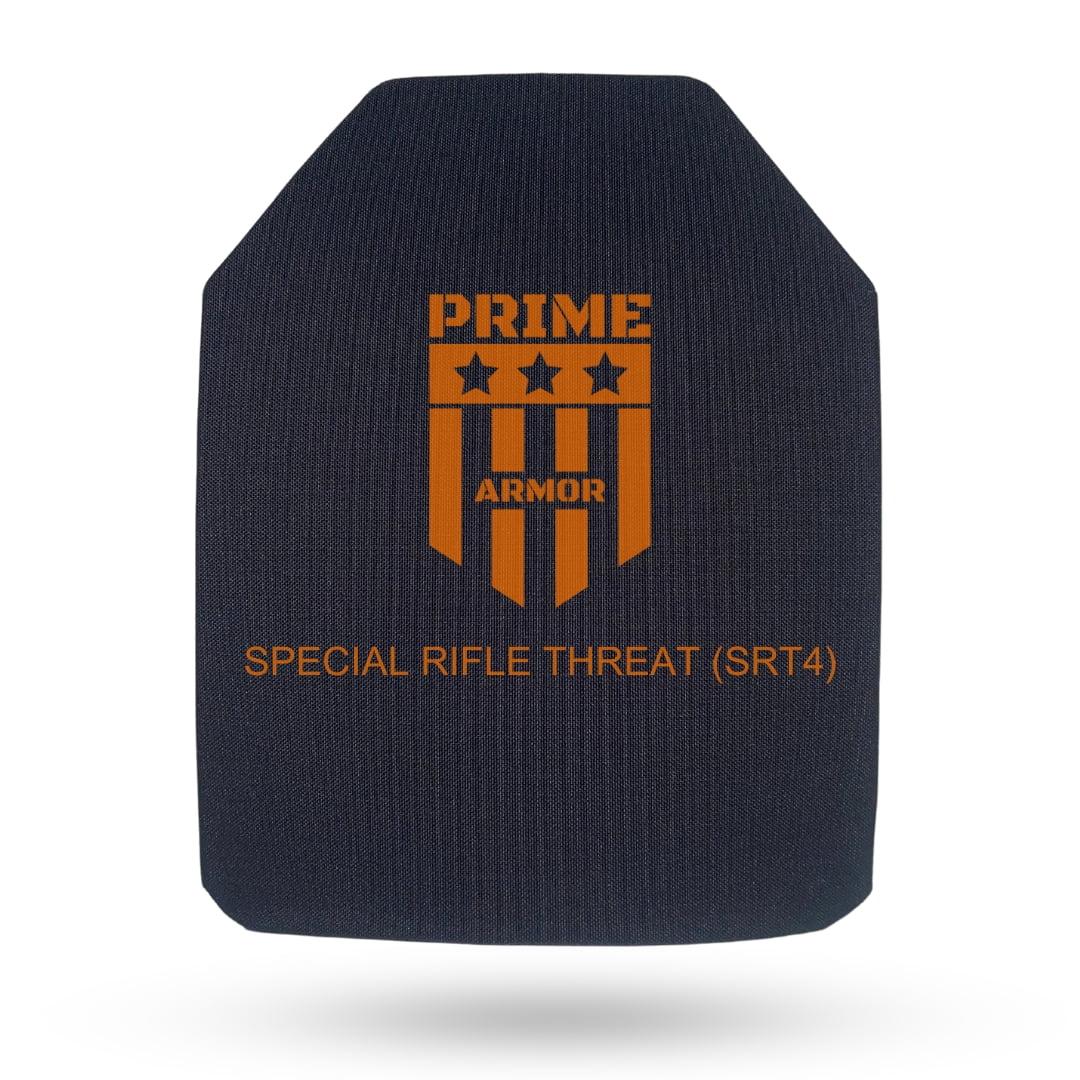
| SRT4 | Special rifle threats, rated up to 7.62x39 API | Lightweight multi-hit plates | SRT4 |
A rating describes one model as it was tested, not a general promise. Every product page lists the tested threats, the weight of each size and, where we have it, the lab test report.
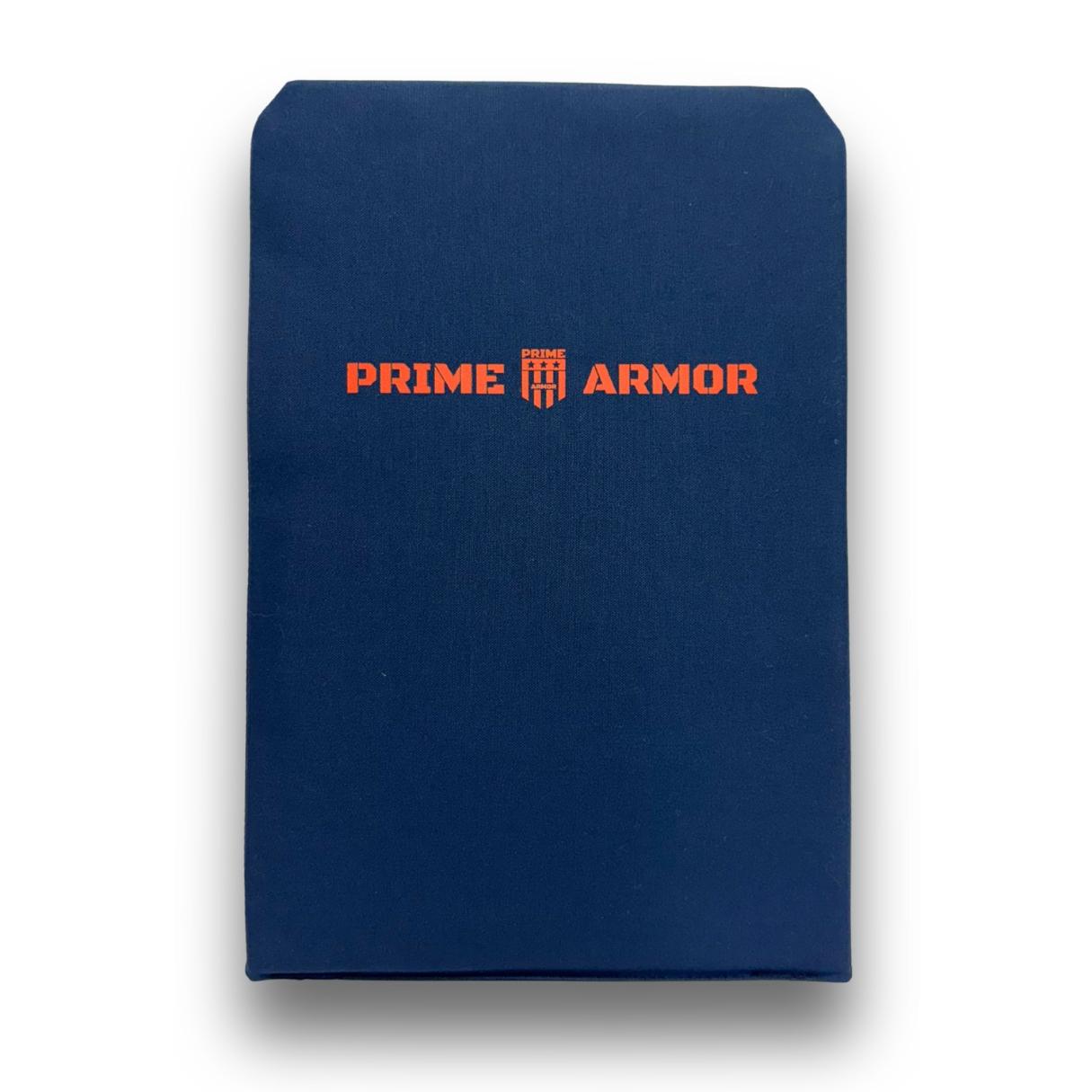
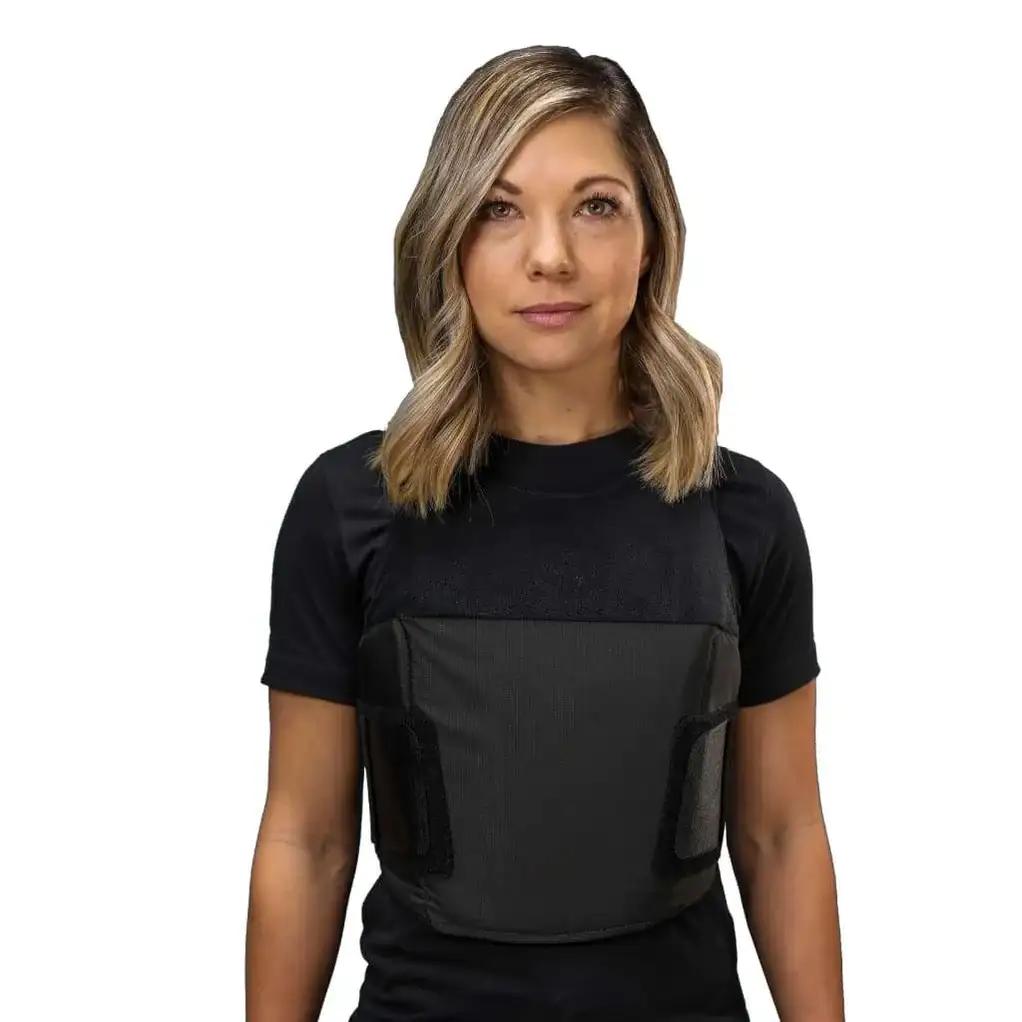
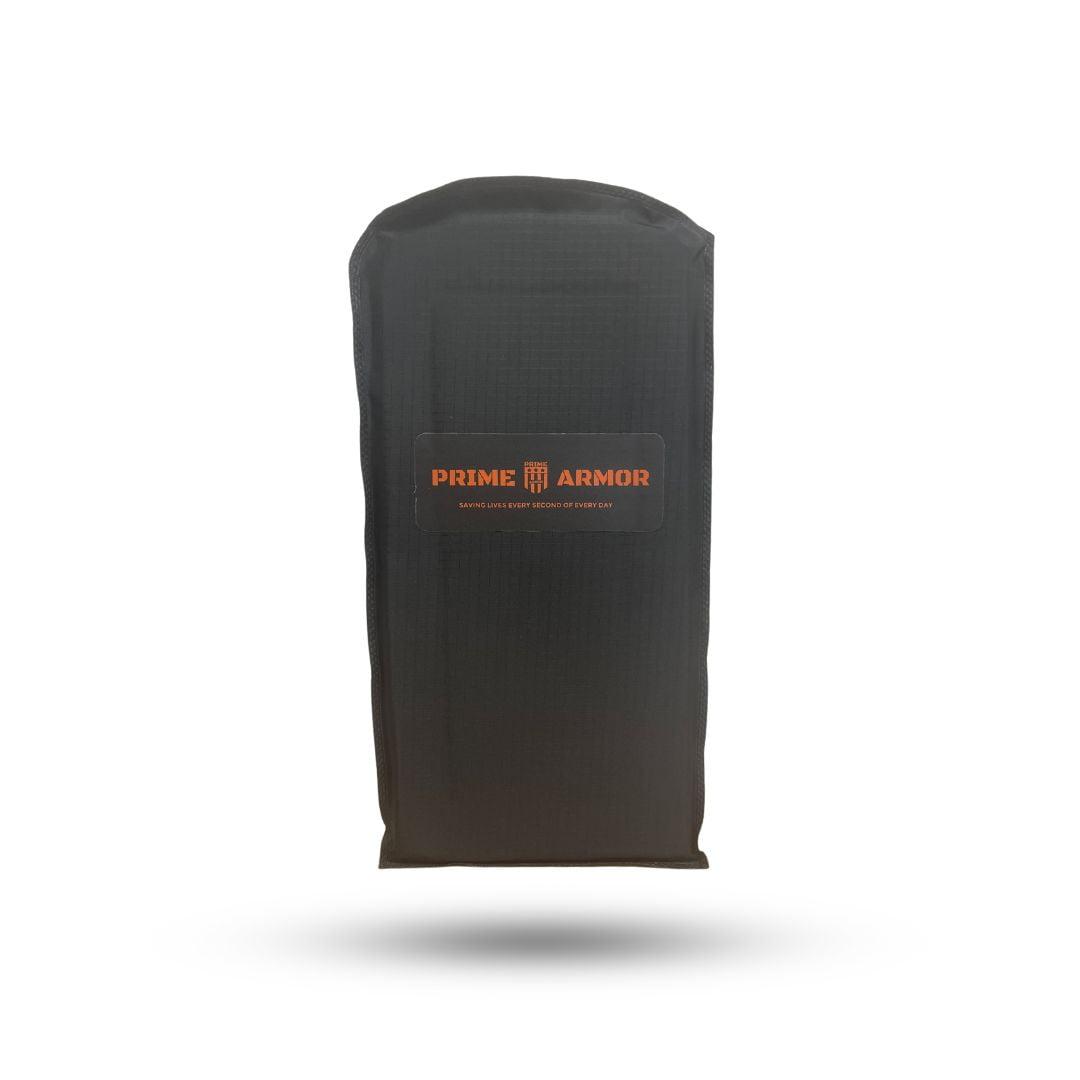
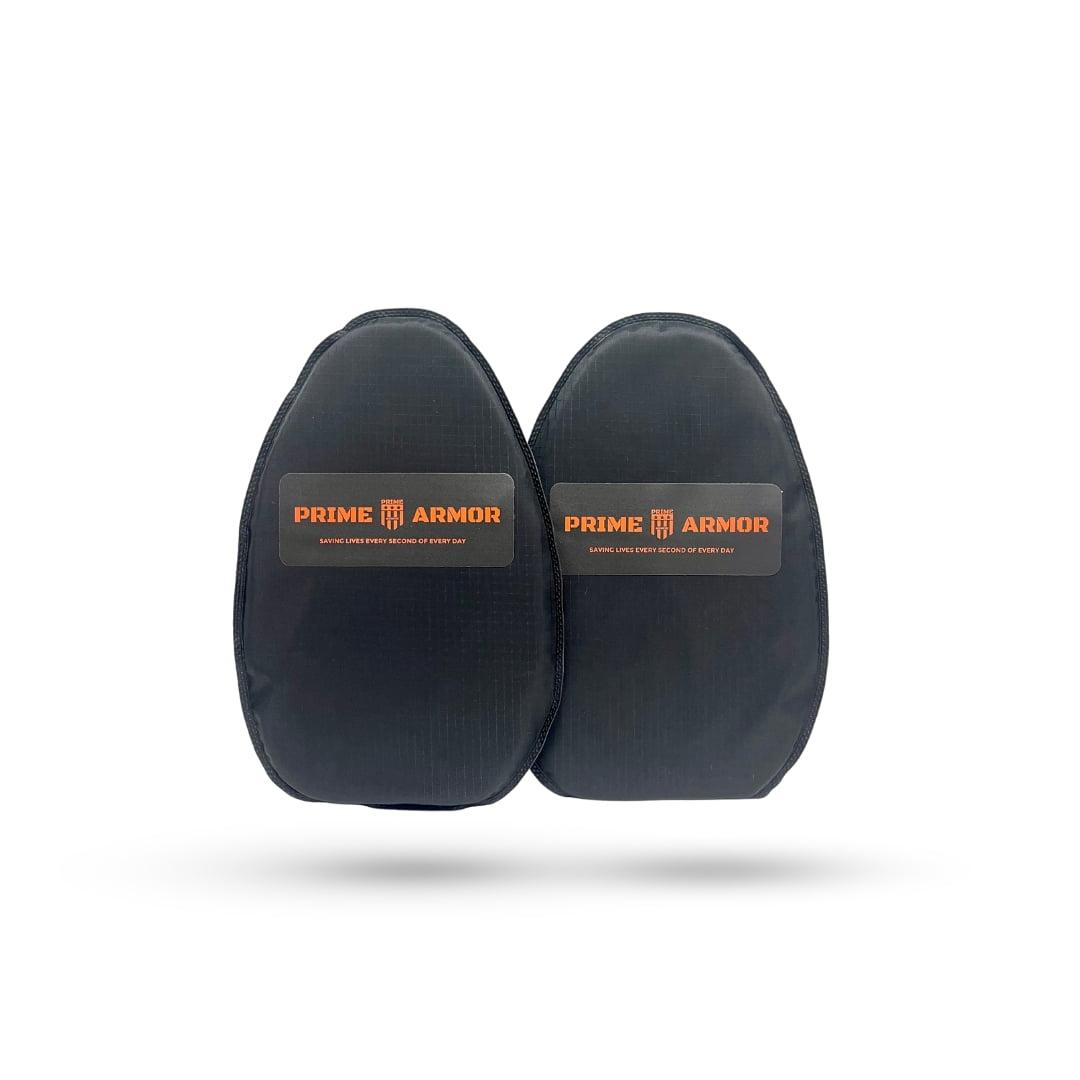
Soft armor (Level IIIA) is thin, about 0.3 inch, and flexible enough to wear under a shirt or carry in a backpack. It stops handgun rounds, not rifle rounds. Hard plates (Level III, III+, IV and SRT4) stop rifle rounds and sit in a plate carrier. They are thicker and heavier: from about 2.4 lb for our lightest Level III plate up to 10.6 lb for an XL Level IV plate.
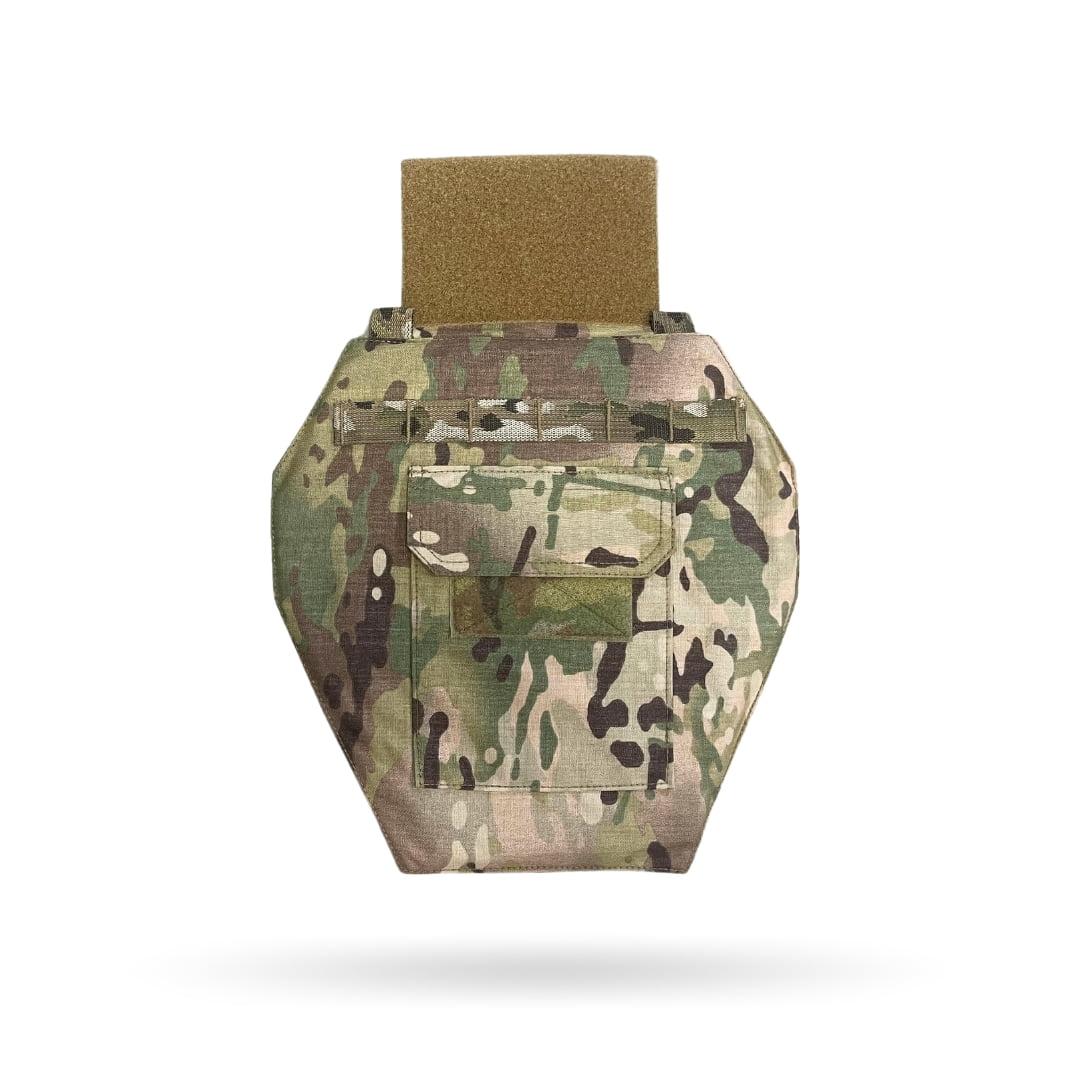
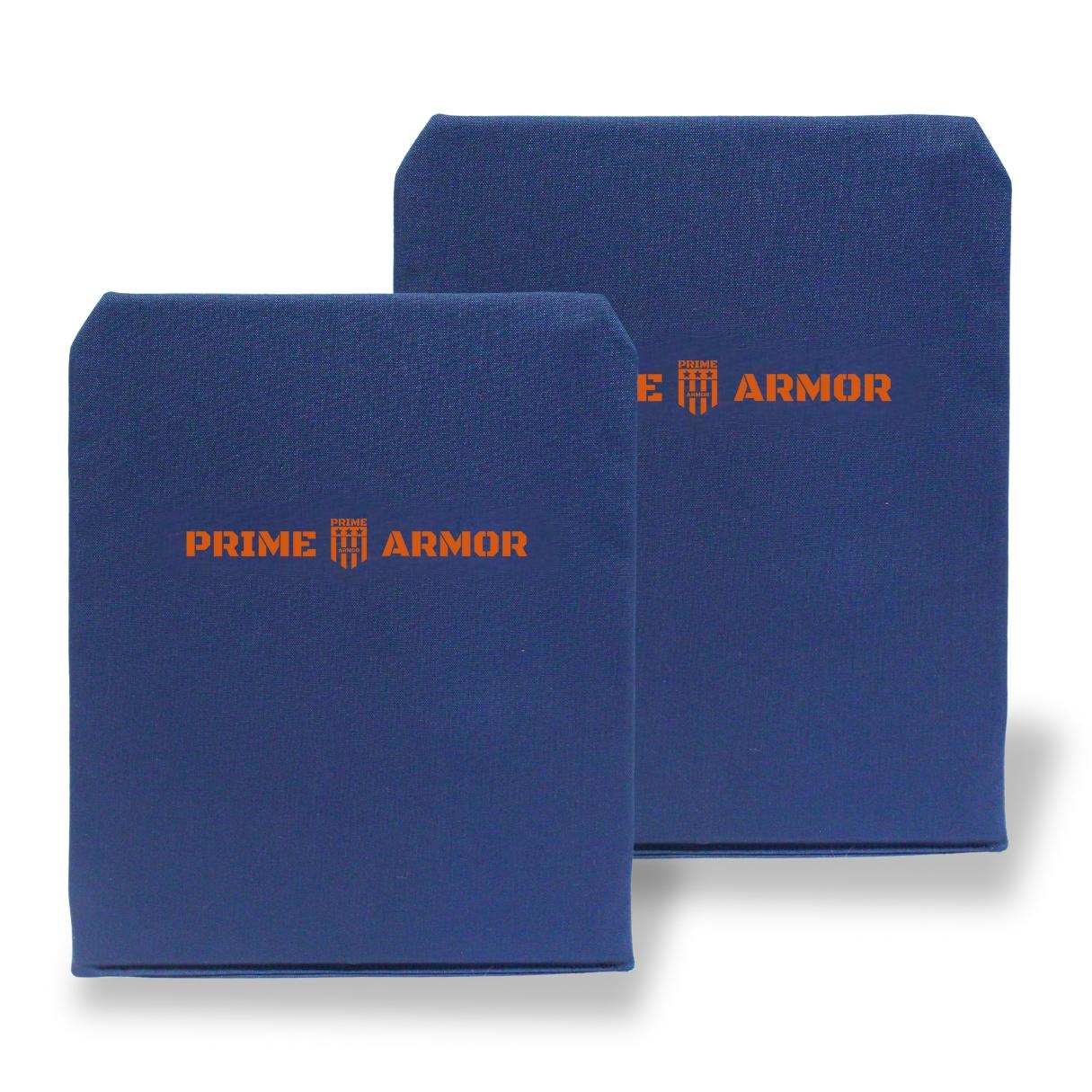
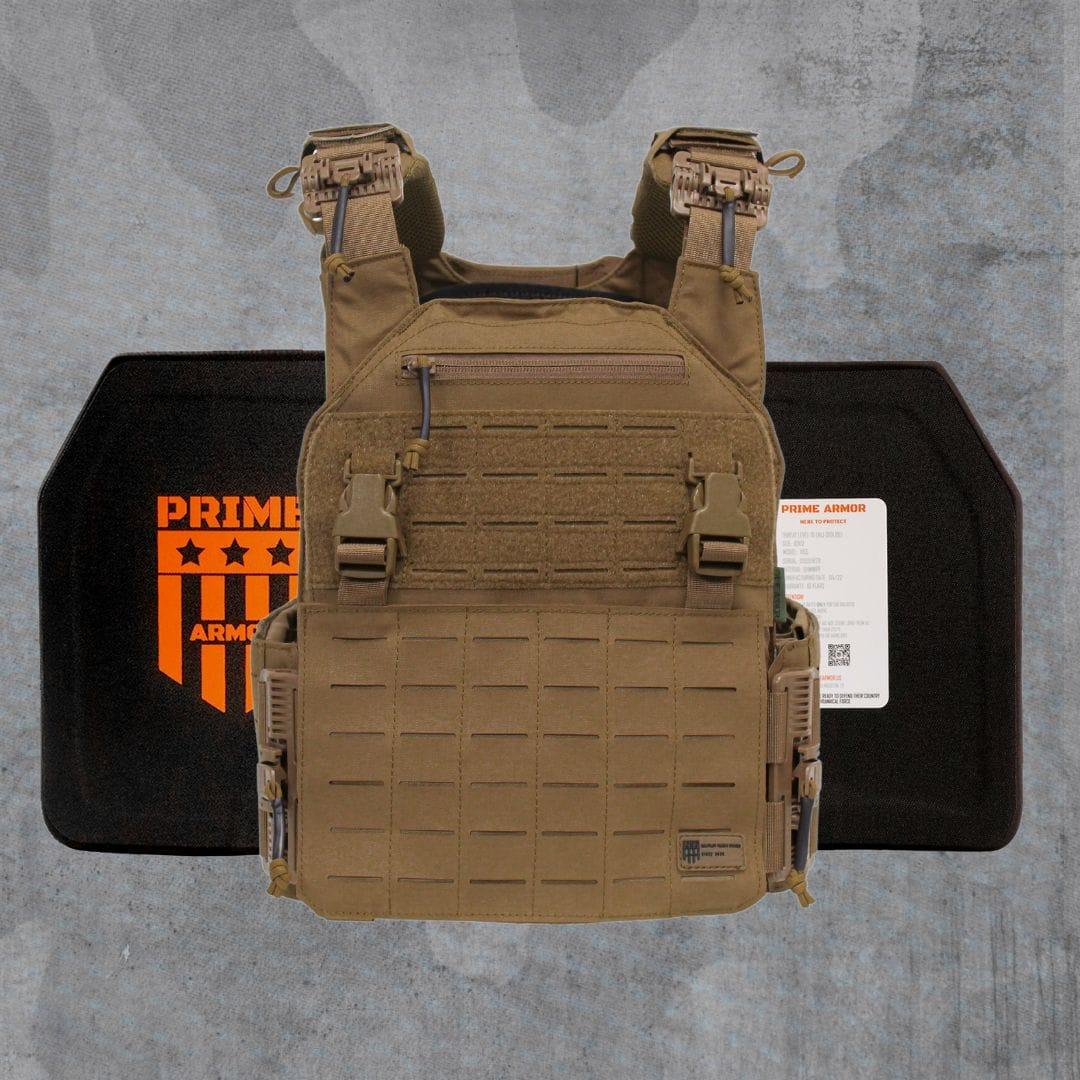
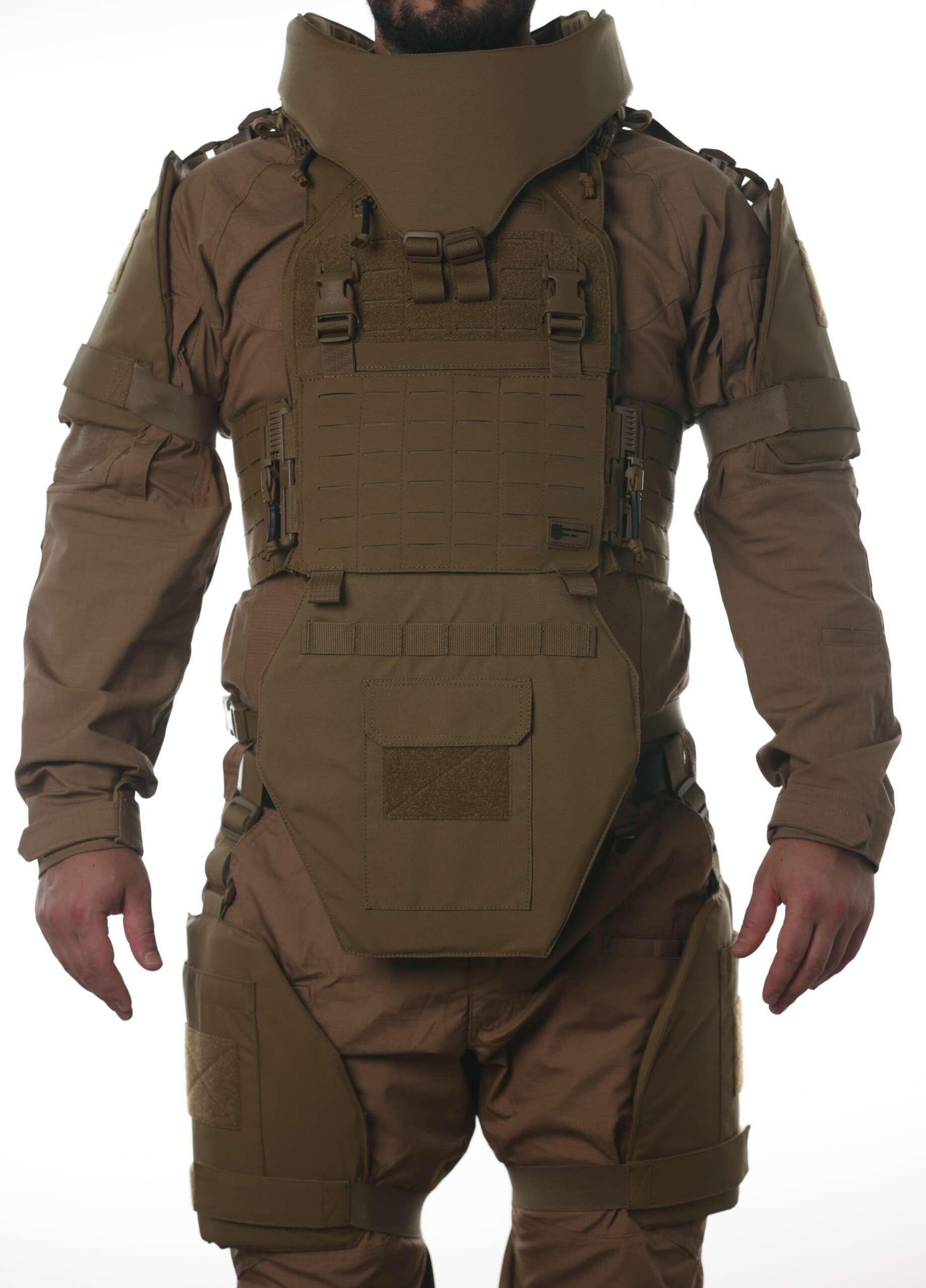
Many buyers combine the two, with plates in the front and back pockets of a carrier and Level IIIA soft armor beside or behind them. Some plates are rated stand-alone; others only in conjunction with a soft armor backer (ICW). The product page tells you which.
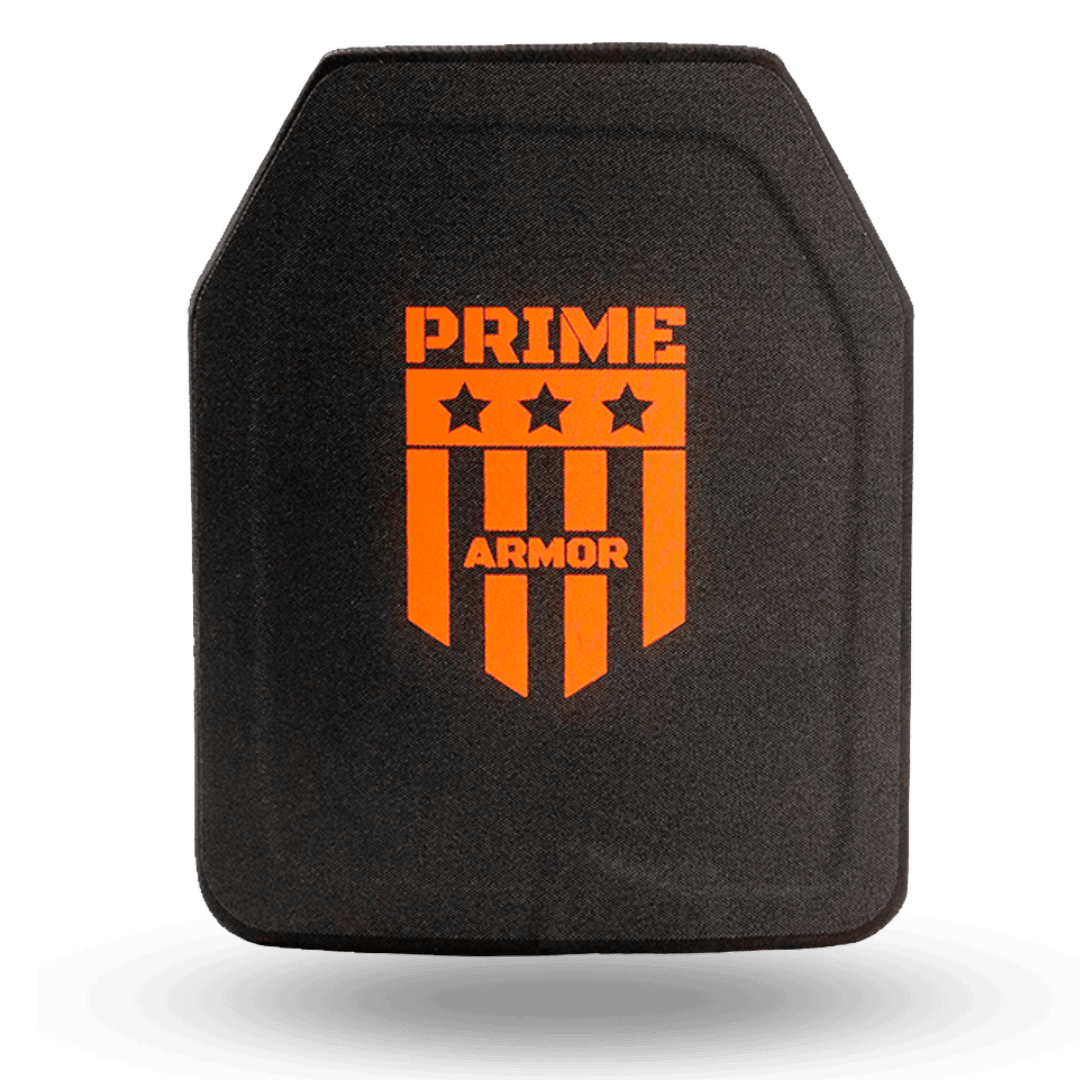
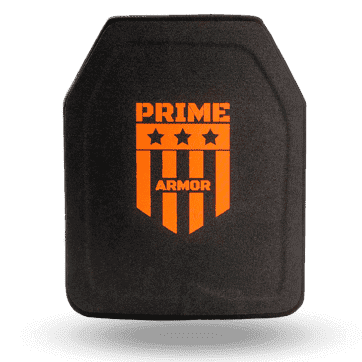
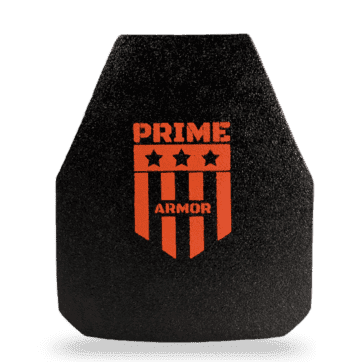
Most rifle plates come in SAPI sizes: Small (8.75 x 11.75 in), Medium (9.5 x 12.5 in), Large (10.25 x 13.25 in) and XL (11 x 14 in), plus a shooter's cut (9.5 x 11.5 in) and 6 x 6 or 6 x 8 in side plates. The plate should cover your vital organs without limiting how you move your arms. Open Find my size on any plate or carrier page, enter two or three measurements and the matching options are selected for you. Our guide how to buy the right body armor and plate carrier goes through the fit in more detail.
Prime Armor is a Navy family-owned company founded in 2020 and based in Tomball, Texas. Our plates are tested in independent labs, and we ship across the United States. If you are near Houston, you can pick up your order at the store. Not sure which level fits? Talk to us or browse the pages for law enforcement, military and security buyers.
Match the armor to the threat. Level IIIA soft armor is the standard answer for handgun threats. If rifles are a concern you need Level III, III+ or IV plates, which are thicker and heavier. Level IV adds protection against armor-piercing rifle rounds, but more protection is not automatically the right choice for every user. Our body armor levels guide compares them, or try the level finder.
No. NIJ Standard 0101.06 ends at Level IV, and the newer 0101.07 revision uses HG1, HG2, RF1, RF2 and RF3 instead. Level IV (RF3 in the new labels) is the top of the NIJ scale. "Level 5" is a marketing term some sellers use, so ask for the lab test report before you buy anything sold that way.
In most of the United States civilians can buy and own body armor. Federal law (18 U.S.C. 931) bars people convicted of a violent felony from owning it, and some states add their own rules. Read Is body armor illegal? and check your local law before you order.
Yes. Choose local pickup at checkout to collect your order at our Tomball, Texas store. Address and opening hours are on the contact page.
Ballistic materials come with a warranty period that depends on the product. Our PA3300 soft armor inserts, for example, carry 5 years on the ballistic material and our Level III polyethylene plates carry 10 years on the ballistic components, as stated on their product pages. Replace any panel or plate that has been hit.